As wildfires devastate nearly every continent and water levels in the Danube drop too low to cool Hungary’s nuclear power plants, New York stocks reached an all-time high on August 4. This surge is driven by optimism that artificial intelligence will usher in an era of unprecedented abundance - a narrative promoted by Elon Musk and his tech industry peers, and widely embraced by investors.
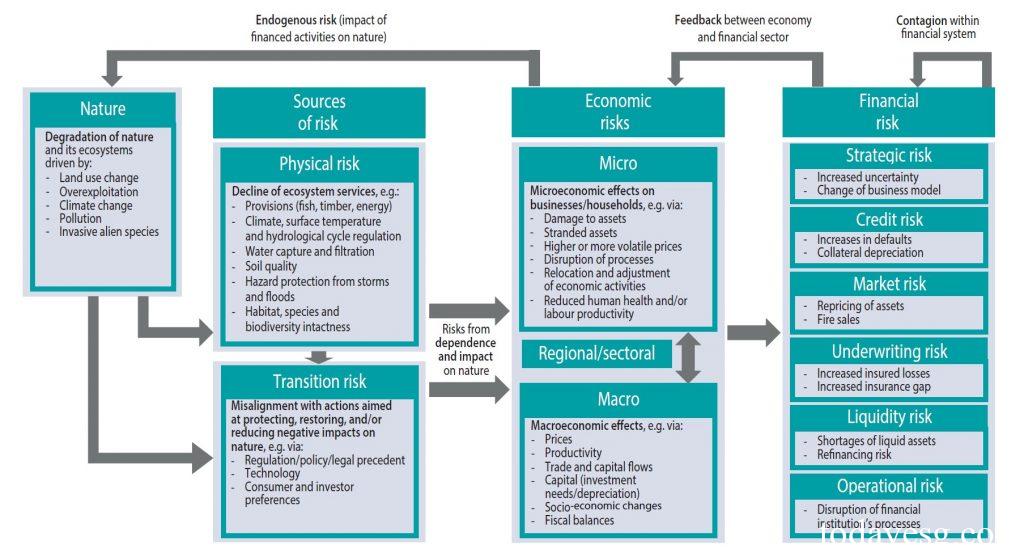
The European Central Bank (ECB), which oversees Europe’s largest banks, has launched a program to evaluate how increasing damage to ecosystem services could threaten the financial system. According to The Guardian, the initiative will analyze how “ecosystem degradation pathways” might impact credit loss dynamics for eurozone banks. The results are expected later this year.
Frank Elderson, a member of the ECB’s executive board, played a key role in founding the Network for Greening the Financial System (NGFS) in 2017, alongside Mark Carney, then head of the Bank of England, and François Villeroy de Galhau, head of the Banque de France. As the founding chair of this coalition of 114 global central banks and financial supervisors, Elderson has been instrumental in advancing climate risk management. He brings significant expertise to the issue.
Elderson told The Guardian that the banking sector now recognizes the importance of addressing climate and nature-related risks. “I would think it’s very difficult to find a bank in Europe that will honestly tell you that they think this is not relevant. I think that time has passed.” He and his ECB team are intensifying their monitoring of financial risks tied to the decline of “ecosystem services” - natural processes or assets that support human activity.
“These services are not stable but are in rapid decline. That’s why we talk about the climate and nature crises,” Elderson explained. “Understanding these dependencies and exposures leads us to conclude that this is relevant.” He noted that the increasing frequency of natural disasters linked to global warming poses a threat to financial stability. Elderson emphasized the need for further assessment of risks from the collapse of ecosystem services, as the reliance on nature is more complex to map than the effects of a single extreme weather event.
Ecosystem services refer to any benefit derived from natural structures or processes. For instance, water serves as a raw material, an energy source through hydropower, a means of transportation, a habitat for marine life essential to food production, and a foundation for recreational activities.
“Nature-related risks can pose material economic and financial threats, including impacts on credit risk, growth, inflation and - over the long term - potential financial instability,” Elderson said. “I have previously stated that destroying nature undermines the very foundation of our economies, and that message resonated. This is not a fringe environmental issue. It is central to economics, financial stability, and price stability.”




.svg)