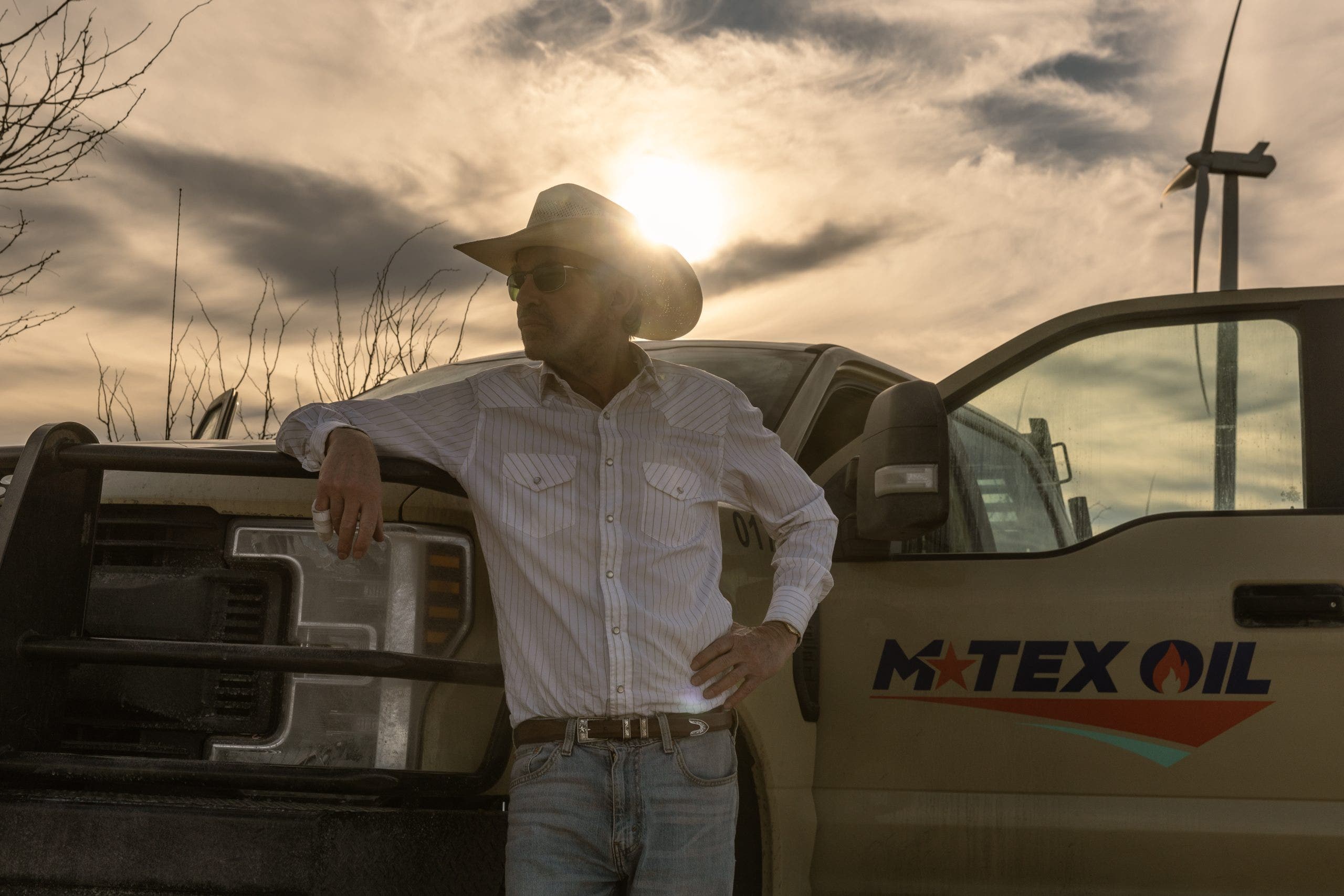
Billy Bob Thornton’s character in Landman, Tommy Norris, is portrayed as a Texas oil man with strong opinions about wind turbines. He appears knowledgeable and delivers a forceful speech on the limitations and shortcomings of wind power.
To those unfamiliar with the topic, his arguments may seem convincing and accurate.
In a notable scene from Season 1, Episode 3 of the Paramount+ series Landman, Tommy Norris (an oil-industry fixer) discusses renewable energy with an attorney, arguing that wind turbines are not truly “clean.” The following is a paraphrased summary of his monologue, based on published accounts:
Tommy Norris’s wind turbine monologue (paraphrased):
“They say wind turbines are clean energy - but do you know how much diesel is burned just to mix all that concrete? Or to make that much steel? Then you have to transport everything and assemble it with a 450-foot crane. Do you know how much oil it takes to lubricate and winterize it? Over its 20-year lifespan, it won’t offset the carbon footprint of making it.”
He also criticizes solar panels, lithium for electric vehicles, and the lack of transmission infrastructure if the world switched to electric power overnight.
This speech sparked widespread discussion because Tommy frames wind turbines as heavily reliant on fossil fuels for their manufacture, installation, and maintenance, claiming they do not “pay back” their environmental cost over their typical lifespan.
While this is fictional dialogue, similar views have been echoed elsewhere in the United States, even at high levels.
Energy experts note that, in reality, most modern wind turbines offset their emissions well before 20 years and generate much more clean energy than the carbon used to build them.
Here is a comparison of the claims from the fictional monologue in Landman and what real life-cycle energy and emissions research shows:
Claim vs. Real-World Evidence
Claim: “Wind turbines don’t offset the carbon from making them.”
Evidence: Multiple lifecycle assessments show wind turbines pay back their energy and carbon “debt” within 6-12 months after startup, while operating for about 20-25 years.
Claim: “It takes huge amounts of diesel and oil to make and install turbines.”
Evidence: Fossil fuels are used in manufacturing and transport, but lifecycle studies account for this. Turbines produce far more clean energy over their life than is consumed in their creation. Many studies show wind turbines generate 15-25 times (or more) the energy used to produce, install, and operate them.
Claim: “Concrete and steel mean turbines aren’t ‘clean.’”
Evidence: Concrete and steel do contribute to emissions during manufacturing, but the total lifecycle greenhouse gas emissions of wind energy are much lower than fossil fuels. Most emissions occur during production and installation, but turbines produce zero fuel emissions while operating, resulting in low total lifecycle carbon intensity compared to gas or coal.
Claim: “They rely on fossil fuels forever.”
Evidence: Operating wind turbines do not burn fuel. Ongoing emissions come from maintenance and occasional replacement parts, not continuous fossil fuel use. For most of their lifetime, they produce clean electricity with minimal direct emissions.
Claim: “They hardly produce net clean energy.”
Evidence: After paying back their “embedded” energy and carbon, wind turbines continue producing clean energy for decades, often generating many times the energy invested in their creation.
Key Technical Evidence
- Most wind turbines produce as much energy as was used to manufacture and install them within about 3-12 months of operation.
- Over a 20-year lifespan, turbines often generate 15-25 times more energy than the initial investment.
Carbon Payback:
- Lifecycle carbon emissions are typically recouped in under a year, often around 6-12 months, after which the turbine displaces fossil fuel emissions.
- Even with variations in manufacturing and grid mixes, turbines still provide a net carbon benefit over their operational life.
Overall Emissions Impact:
- Wind turbines have much lower total lifecycle greenhouse gas emissions per unit of electricity than coal and natural gas plants.
Why the Fictional Claim Isn’t Supported
The fictional monologue exaggerates or misrepresents several points:
- Ignoring net energy return: All energy inputs are “front-loaded,” but most turbines pay off this investment quickly and then produce clean electricity for decades.
- Life-cycle perspective matters: Focusing only on manufacturing emissions without considering the avoided fossil fuel emissions from decades of operation is misleading.
- Real engineers assess payback time and total emissions over the turbine’s life, not just the emissions from manufacturing.
In summary, wind turbines do create emissions during construction and installation, but lifecycle science shows they produce far more clean energy and avoid more carbon than they cost to make. It’s important to consider the full picture - not just the initial investment.



.svg)