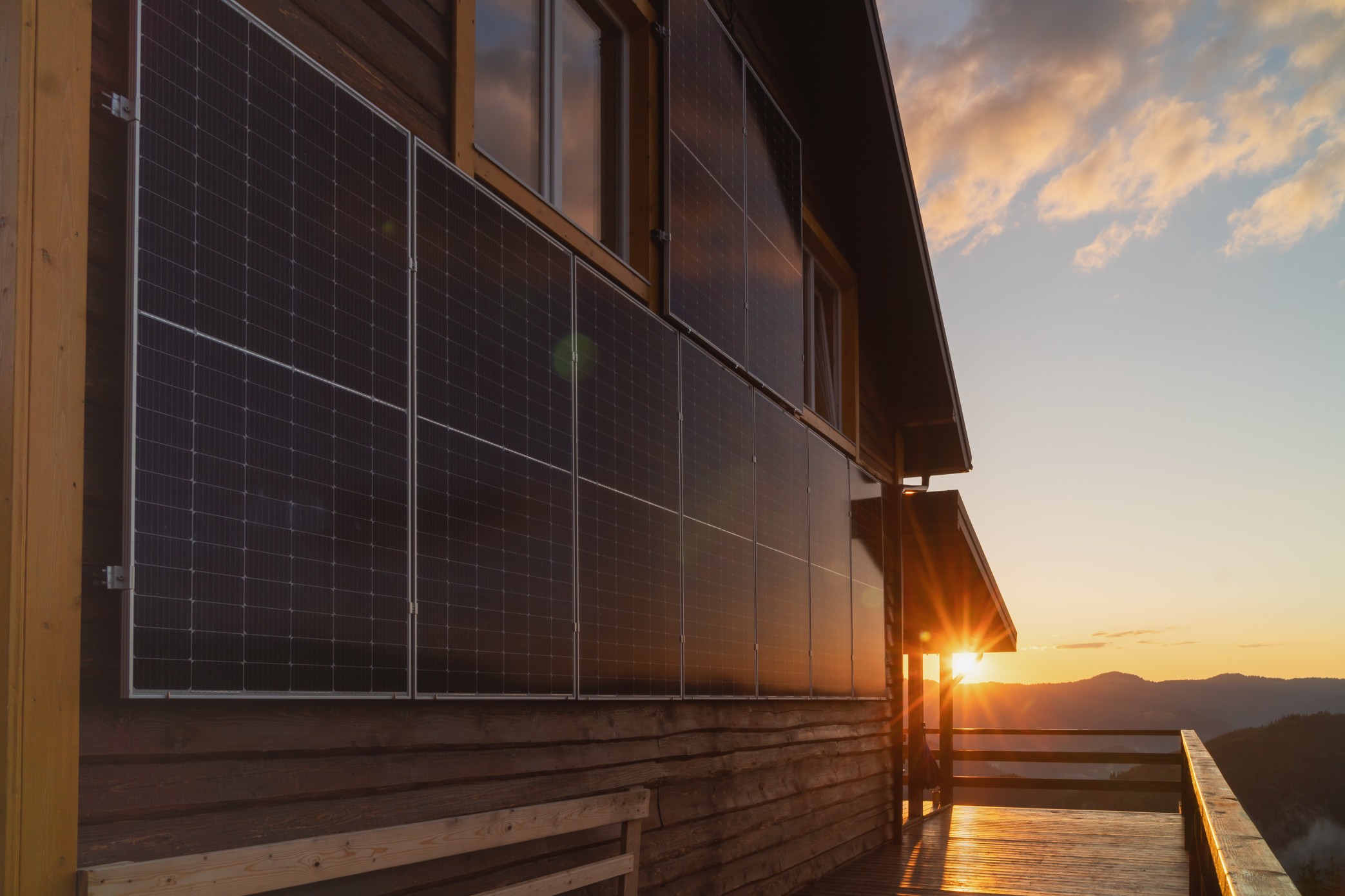
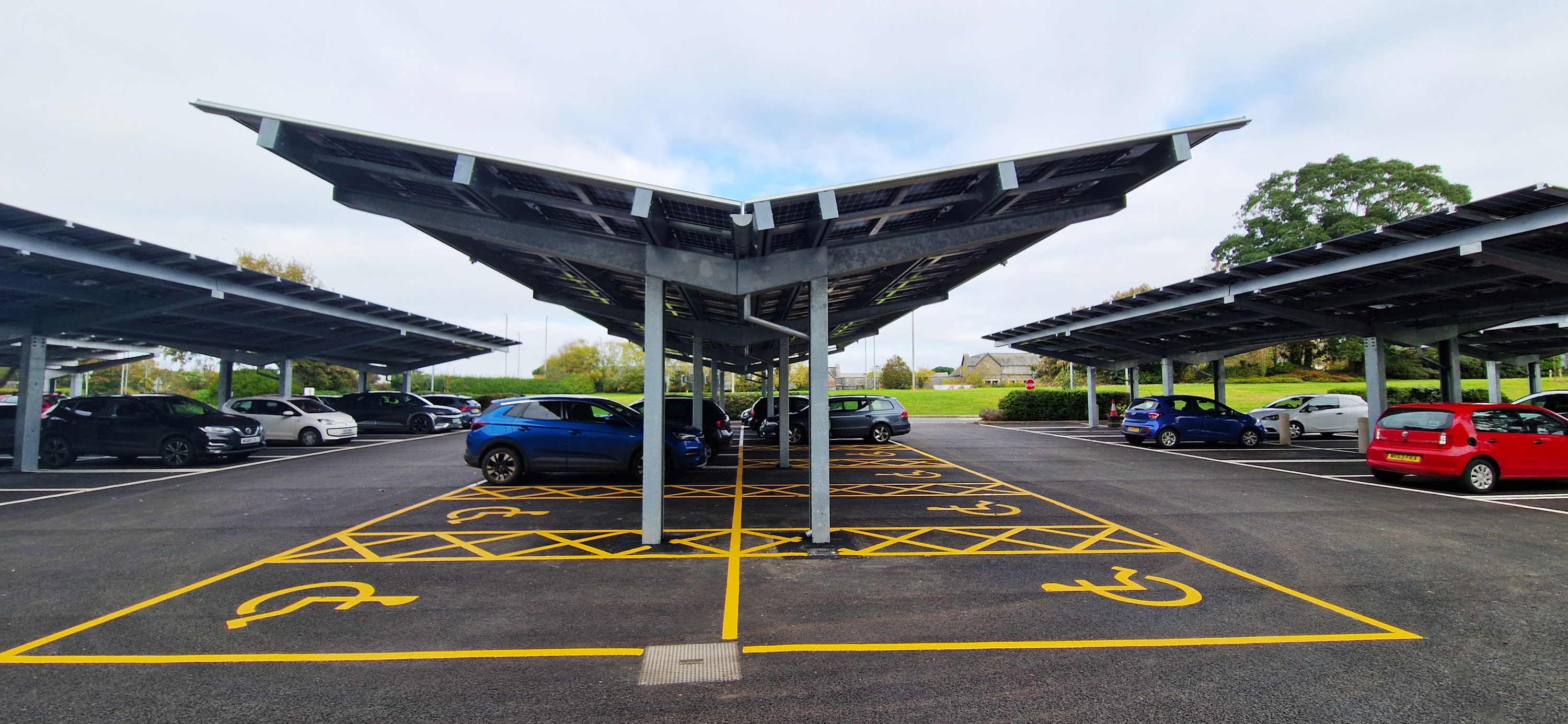
On 7 May, DESNZ launched a consultation on solar car parks to deliver better value for motorists and businesses.
The initiative aims to lower charging costs and provide more transparent pricing at the pump. By introducing solar canopies in car parks, drivers could save money as part of the government’s Plan for Change.
The government has opened a call for evidence to explore how to harness the untapped potential of solar in car parks across England, Wales, and Northern Ireland.
Supermarkets, retail parks, and offices could reduce their energy bills by converting car parks into ‘solar carports’, potentially saving up to £28,000 a year and supplying power to businesses and homes across the UK.
Petrol and diesel motorists will also benefit from the Fuel Finder scheme, which now requires all petrol stations to share prices within 30 minutes of a change. This move is expected to lower pump prices, saving drivers between 1 and 6p per litre on average.
Mandating solar in car parks supports the government’s goal to become a clean energy leader, unlocking underused space to provide clean, affordable, and secure power for homes and businesses.
The Energy Secretary has approved nearly 3 GW of new solar capacity since July, enough to power 1 million homes. These proposals aim to strengthen Britain’s energy security and reduce long-term bills for families through the Plan for Change.
Energy Secretary Ed Miliband stated: “Right now, the sun is shining on hundreds of thousands of car parking spaces across the country which could be used to power our homes and businesses. We want to work with businesses and car park operators to turn our car parks into solar carports to save families and businesses money with clean, homegrown British energy through our Plan for Change.”
Future of Roads Minister Lilian Greenwood added: “We’re committed to ensuring electric car drivers are always close to a charger and can save money when making the switch. Today is another positive example of how we’re harnessing the net zero transition to give drivers more choice and help them get around with greater peace of mind.”
There are now over 76,500 public electric vehicle charging devices available across the UK, as the government continues to deliver the Plan for Change by investing £2.3 billion to help drivers switch to electric vehicles, support British carmakers, and protect jobs.
Solar carports are already mandatory in some European countries, such as France and Slovenia, providing access to cheaper solar power.
Initial estimates suggest that an 80-space car park could save around £28,000 per year in electricity bills by installing solar carports and using all the electricity generated. The call for evidence seeks further input on the potential benefits of this policy.
Companies could also recover installation costs by selling energy back to the grid or through long-term power purchase agreements.
Ben Cox, Director at Sovereign Centros from CBRE, Asset Managers of Metrocentre, said: “With the largest number of EV charging points of any shopping centre in the country, and over 5,000 PV panels in action, including those on car ports in Green and Blue Mall car parks, we have already taken great steps to secure a more sustainable future. We welcome the Department for Energy Security & Net Zero’s call for evidence which will allow us to invest further into these facilities to support the government’s national agenda.”
Solar canopies also enhance the customer experience by providing shaded cover for cars during heatwaves, creating a cooler environment for vehicles and pedestrians.
The Clean Power Action Plan aims for 45 to 47 GW of solar capacity by 2030. Currently, ground-mounted solar occupies less than 0.1% of the UK’s total land area.
The solar sector is estimated to support 17,500 direct and indirect jobs across the UK, with more jobs expected from the rollout of mandatory solar carports.
Case Studies:
- The Bentley Motors manufacturing facility in Cheshire hosts the UK’s largest solar carport, with 10,000 solar panels and a capacity of 2.7 MW. Along with other solar arrays and 6.6 MW of battery storage, the car park enables all of Bentley’s manufacturing operations to be powered by solar.
- Eastbourne District General Hospital became the first hospital powered by a solar carport, reducing emissions by 222 tonnes in the first year.
- Stourton Park & Ride in Leeds features a 1.2 MW solar carport, providing EV charging infrastructure for 26 spaces.
- The Metrocentre in Gateshead has over 5,300 rooftop and carport solar panels, supplying 40% of its annual electricity usage.
The financial savings estimates for installing solar canopies are intended as reference points for further responses. For example, a car park business installing 80 solar canopy bays over 2.4m x 5.0m spaces, with a generation intensity of 1 MW per 5,000m2 and a load factor of 11%, could achieve significant savings if all electricity is self-consumed. Calculations use average commercial electricity price forecasts from 2025 to 2054.
The estimate of homes powered reflects the equivalent number of homes that could be supplied by the 3 GW of solar capacity approved since July. As intermittent renewables cannot continuously power homes, this capacity works alongside the broader electricity system. Estimates are based on household consumption data and actual load factors, with generation varying by site.




.svg)