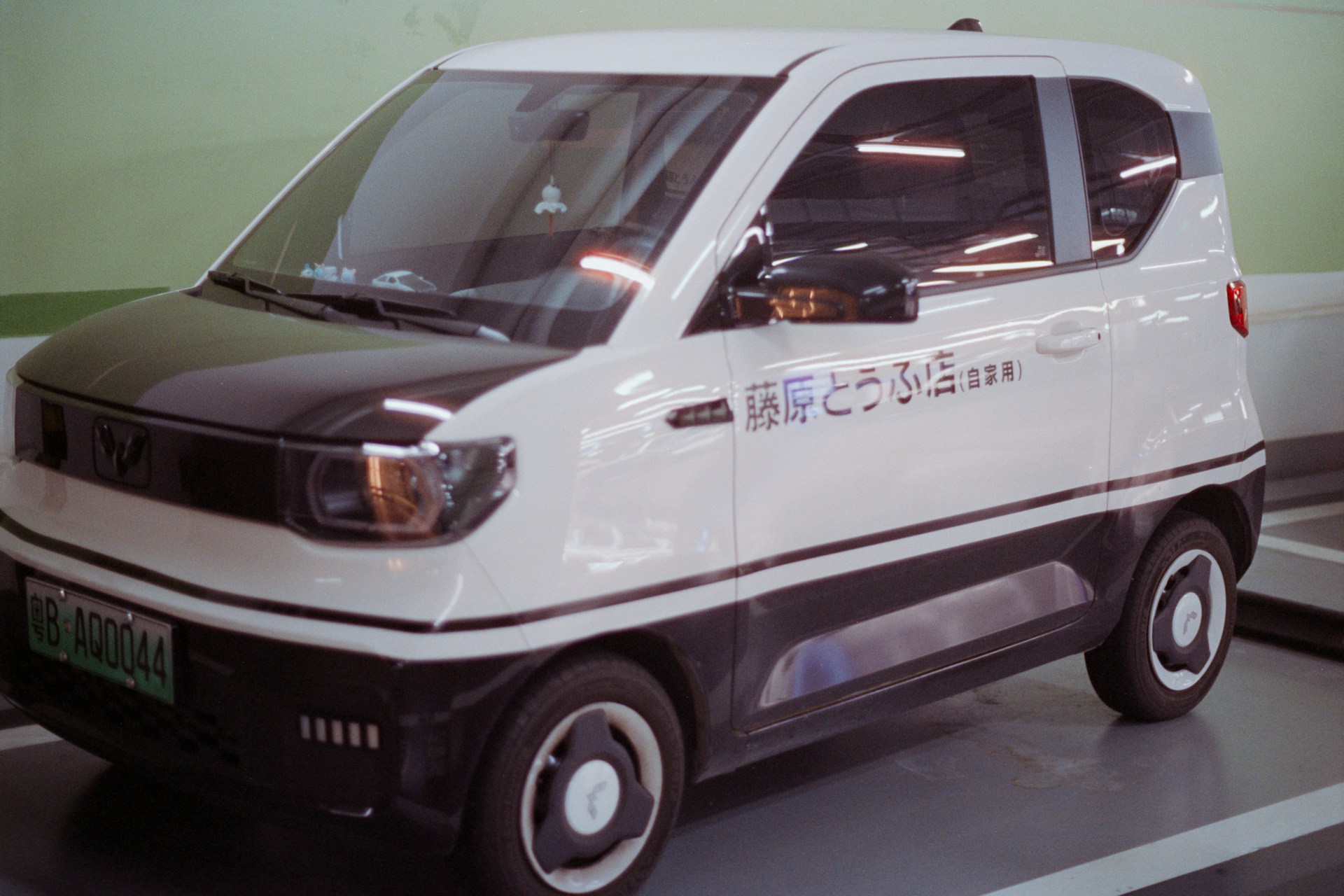
EVs are achieving unprecedented market penetration in China. In May, Chinese retail NEV (BEV and PHEV) market share was estimated at 63%, while wholesale (including exports) reached 61%, according to CPCA data reported by CnEVPost. A more detailed breakdown is still pending. Although retail EV sales in China declined 5% year-over-year, they outperformed the overall market and rose 15% month-over-month to 974,000 units in May. Wholesale NEV sales, including exports, reached 1.36 million, up 12% YoY and 11% MoM.
These figures mark an all-time high and a significant milestone, highlighting a growing divergence from the US market, where EV adoption remains sluggish. China appears to be at a tipping point, with new EV models and market dynamics poised to push share even higher.
Product Transition Sets Up Next Phase
In May, BYD accounted for 27.7% of Chinese wholesale NEV sales. Changes in BYD’s numbers have a noticeable impact on the total market. BYD’s passenger vehicle wholesale shipments increased slightly YoY to 376,990 in May, with a 19.41% MoM rise. Exports totaled 160,644, or 42% of the monthly total, up 80.40% YoY. The product transition is even more evident in retail sales. BYD’s retail sales in China were 222,809, down 24.7% YoY from 293,429 in 2025, but up 19.77% MoM. The entire 5% YoY decline in retail NEV sales in May can be attributed to BYD’s YoY drop in China. If BYD sales had remained flat, NEVs would already represent about two-thirds of retail sales in China.
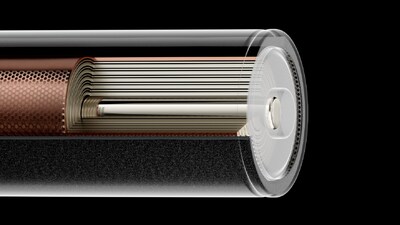
BYD is undergoing a major product transition, launching vehicles with the Blade Battery 2.0, which enables mainstream EVs to charge as quickly as ICE vehicles refuel and cost less than comparable legacy ICE models. New models offer advanced technology and improved performance. BYD faces a large order backlog, including mainstream models like the new Yuan Plus. The Datang has over 100,000 orders since presales began in April and is expected to launch sales in mid-June. Some customers are still waiting to order previously revealed cars. The Seal 08, shown in March, is not yet available for presale, and a new high-volume Han model has been seen testing but not revealed. Fang Cheng Bao has increased capacity, but delivery times for some models remain months long, and sports sedans are forthcoming. Some Denza models have had launches delayed, and Z9 GT trims have extended wait times. Wang Chaunfu recently acknowledged supply constraints and offered an extra day of free flash charging for each day of delay.
This does not include the potential impact of BYD’s God’s Eye A/B intelligent driving system, which takes full responsibility for city driving, or the new 4nm Xuanji A3 AI chip, now in production and set to provide L3/L4 intelligent driving in upcoming models.
BYD projects overall sales growth for the year with new products, despite year-to-date declines. Achieving this will require significant sales increases in the coming months. BYD is not alone in this transition.
XPENG has also launched several new or updated vehicles, with more on the way. This has resulted in a large backlog for new models like the GX, which has a 35-week wait time and forms the basis for their robotaxi. However, the shift to new products has slowed sales of older models year-to-date. As production ramps up, XPENG is also expected to see sales growth, contributing to overall NEV market share.
Many other sporty and premium models have been introduced recently, alongside mainstream options. These new vehicles are more compelling than recent ICE launches. As these models ramp up, the market landscape could shift significantly.
Market Influences
Rising costs and instability associated with gasoline vehicles are also influencing the market. China imports most of its oil, much of it from the Middle East, making the country vulnerable to supply disruptions despite a large oil stockpile. This situation is unsustainable, and recent events are likely to push policy further toward electrification. For drivers, the cost, uncertainty, and convenience factors are making petroleum vehicles less attractive.
China plans to bring 28 million charging facilities online by the end of 2027. The country previously added over 10 million chargers in 18 months, averaging about 128,000 per week. In comparison, the US has 85,398 public and private charging stations in total, according to AFDC. This rapid infrastructure rollout is transforming EV ownership, especially in rural areas that were previously underserved. These regions could soon resemble Tier 1 cities, where EVs dominate.
Charger speed is also improving. BYD has deployed over 6,100 multi-gun, MW+ Flash Charging stations as of May and recently partnered with Sinopec to install more at service centers nationwide. For comparison, Tesla operates 3,112 Supercharging stations in the US. Geely and others are also introducing MW-level charging. While most people may not use these chargers daily, they offer added convenience and can serve more vehicles per day from the same footprint.
The current 63% NEV market share comes after China reduced its purchase tax exemption, restricted its scrappage program, and lowered benefits. If the government chooses to stimulate auto sales or accelerate the EV shift, it has policy tools available. Additionally, China has tightened PHEV qualification standards, with battery ranges now often exceeding 300 km, unlike in the West. Combined with more convenient and lower-cost charging infrastructure, PHEVs are likely to be used primarily as EVs in China.
What Comes Next?
If supply constraints were resolved, EVs could already account for over two-thirds of retail market share in China. More detailed May figures will provide further insight. It is increasingly likely that NEVs could maintain a 60%+ share for the year, despite a slow start. Monthly peaks above 70% are possible.
Wholesale figures could also reach these levels. Oil disruptions are having a global impact. In developing countries, where Chinese automakers are strong, EV adoption is leapfrogging established markets. Year-over-year EV share growth in regions like Europe has been driven by rapid expansion of Chinese brands. The sustainability of this growth remains to be seen, especially if protectionist measures shift focus away from Europe. Other global markets could also contribute to rising EV totals.
Despite global political uncertainty, all indicators suggest China will continue to build on its EV momentum. Improved infrastructure and better EVs should drive further share growth in the near term. As EVs gain market share, economies of scale will further tip the balance in their favor. If other markets become more open and competitive, the latest products could reach them faster, fueling additional global growth.



.svg)