The UK government has initiated a call for evidence to collect opinions on how to expand shared battery storage across the country.
Energy minister Michael Shanks highlighted that community batteries can "put power back into the hands of local people." He emphasized the technology's potential as the government seeks input on enabling the rollout of shared battery storage nationwide.
Currently, the UK market for community batteries is underdeveloped. These systems allow communities to share the benefits and savings of battery energy storage, according to the government.
The call for evidence aims to explore ways to scale up deployment, remove regulatory and commercial barriers, ensure safety, and extend benefits to those unable to install private energy storage, such as renters and residents of flats.
Shanks stated, "If households are going to feel the full benefit of clean power, we need a more flexible energy system - and community batteries can help deliver it, giving renters and people living in flats the chance to store cheaper renewable electricity and cut their bills."
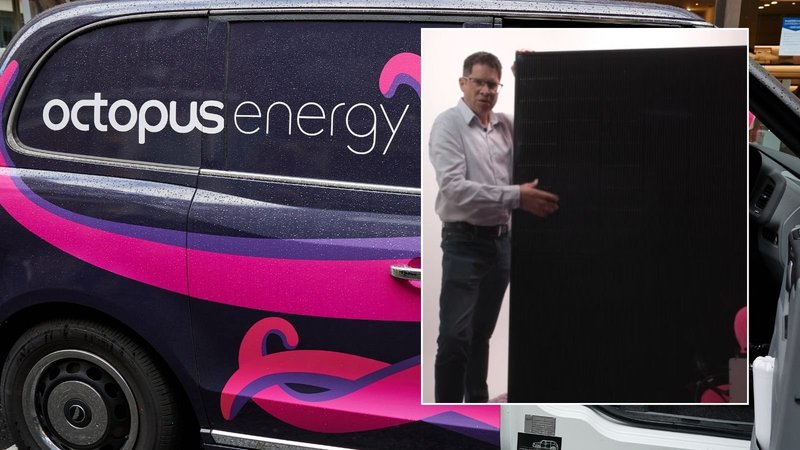
Although adoption remains low, some projects are underway in the UK. For example, Octopus Energy’s Zero Bills housing scheme, built by gs8, features a centralized battery energy storage system and microgrid, allowing solar-generated electricity to be shared among 113 homes.
An Australian government subsidy scheme offers a model for how the UK might support a network of community batteries.
Jack Taylor, general manager for Europe at Allume Energy, which supplies shared solar technology for flat tenants in Australia, the UK, and the US, welcomed the call for evidence. "When paired with rooftop solar, integrated battery systems like these can really turbocharge savings and help people take control of their energy bills," Taylor said. In 2023, Allume installed a battery at a shared solar site in Cardiff, resulting in a 60-70% reduction in grid energy demand.
While the call for evidence signals the government’s support for innovative technologies that lower consumer costs, there is no guarantee of follow-through. Last year, the industry welcomed a call for evidence on mandating solar canopies for new outdoor car parks. However, nearly a year later, the Department for Energy Security and Net Zero confirmed the mandate would not proceed.
Government policy and its effects on the UK market will be discussed at the Clean Power 2030 Summit, named after the government’s target. The event will open with a keynote from Chris Stark, head of clean power at DESNZ, who will provide updates on progress and highlight key policy gaps.




.svg)