Energy markets in Europe and around the world have faced significant challenges. Russia’s invasion of Ukraine created a major energy crisis for the continent. For years, the European Union sought to build cooperative ties with Russia by purchasing Russian fossil fuels, hoping this would encourage a more democratic and EU-friendly Russia. However, the invasion of Ukraine forced Europe to reverse course and reduce its dependence on Russian energy. Meanwhile, tensions in the Middle East escalated when the US and Israel bombed Iran, prompting Iran to block oil shipments through the Strait of Hormuz.
France is responding to these risks by ramping up its domestic electricity production and shifting away from fossil fuel technologies in favor of those powered by electricity. Thousands of companies are already participating in this effort.
“This is a major transformation plan involving 6,000 companies and will create or maintain more than 600,000 jobs,” President Macron stated. “It’s good for purchasing power, it’s good for competitiveness, it’s good for the country’s independence.”
One key goal is to double the share of electricity generated domestically by 2030, aiming for 60% of France’s electricity to come from within the country. The plan also includes doubling EV charging capacity, doubling electric radiator production, and manufacturing one million heat pumps by 2030.
According to Reuters, “The government has said it will double state support to €10 billion a year through 2030 to reduce France’s dependence on imported fossil fuels and boost the share of electricity produced from nuclear power and renewable energy in power generation, heating, transportation, and industry.”
The plan also calls for a significant shift in the auto industry toward electric vehicles. Stellantis, for example, announced it will produce a new generation of EVs at its Mulhouse factory near the German border.
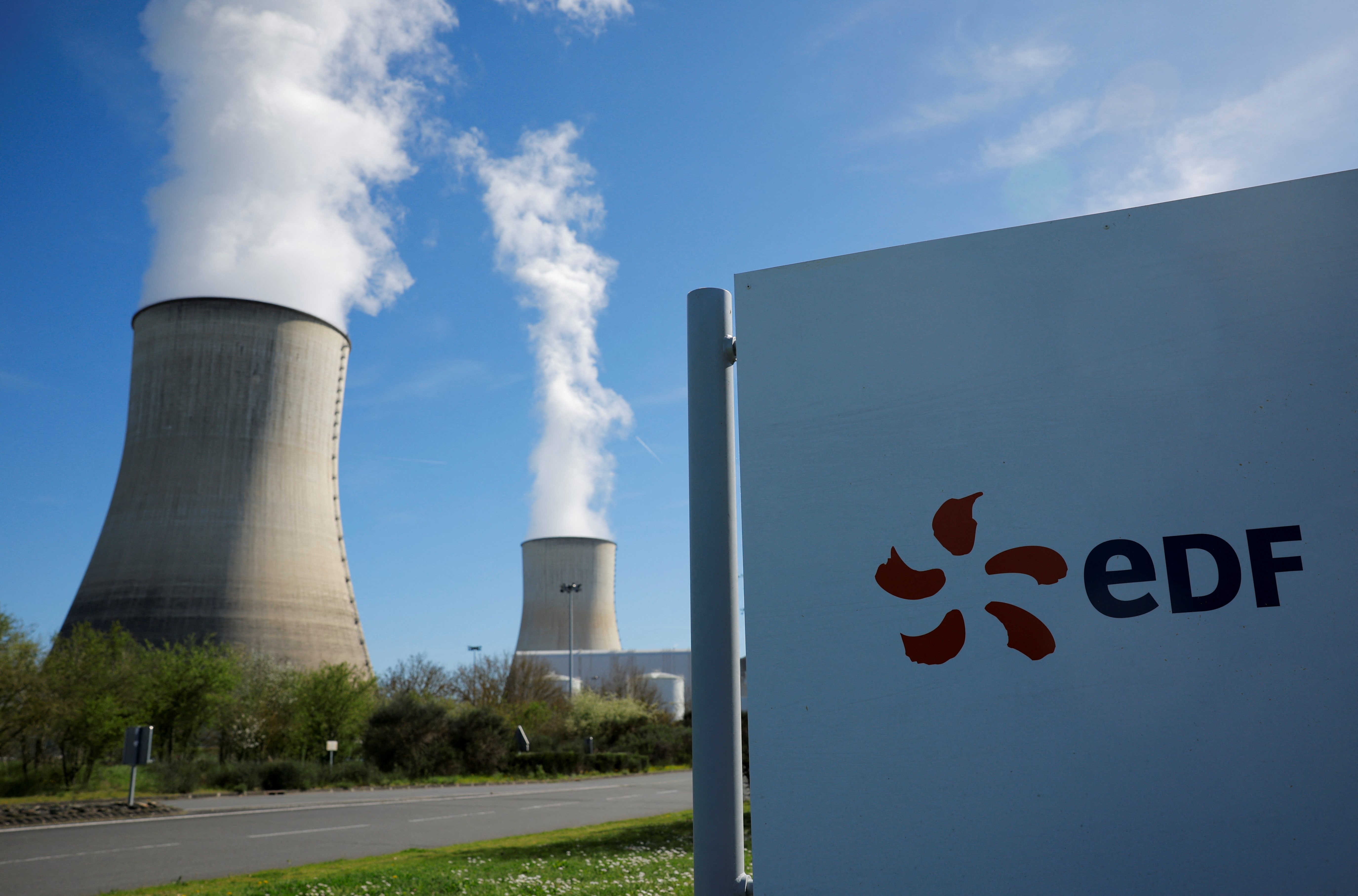
EDF is investing €240 million to accelerate electrification, including expanding the use of heat pumps, increasing heavy-duty electric trucking, and installing more EV chargers.
As the energy sector evolves, there is significant potential for economic growth through the development of fast-growing industries and increased domestic energy production. This shift can create thousands of jobs and keep trillions of euros within the country, rather than sending funds to foreign oil and gas companies. In the past, such a transition seemed impossible, but in the 2020s, it is not only feasible but also highly logical. Dramatically increasing electrification and domestic clean energy production is one of the most effective ways to strengthen a country’s economy.



.svg)