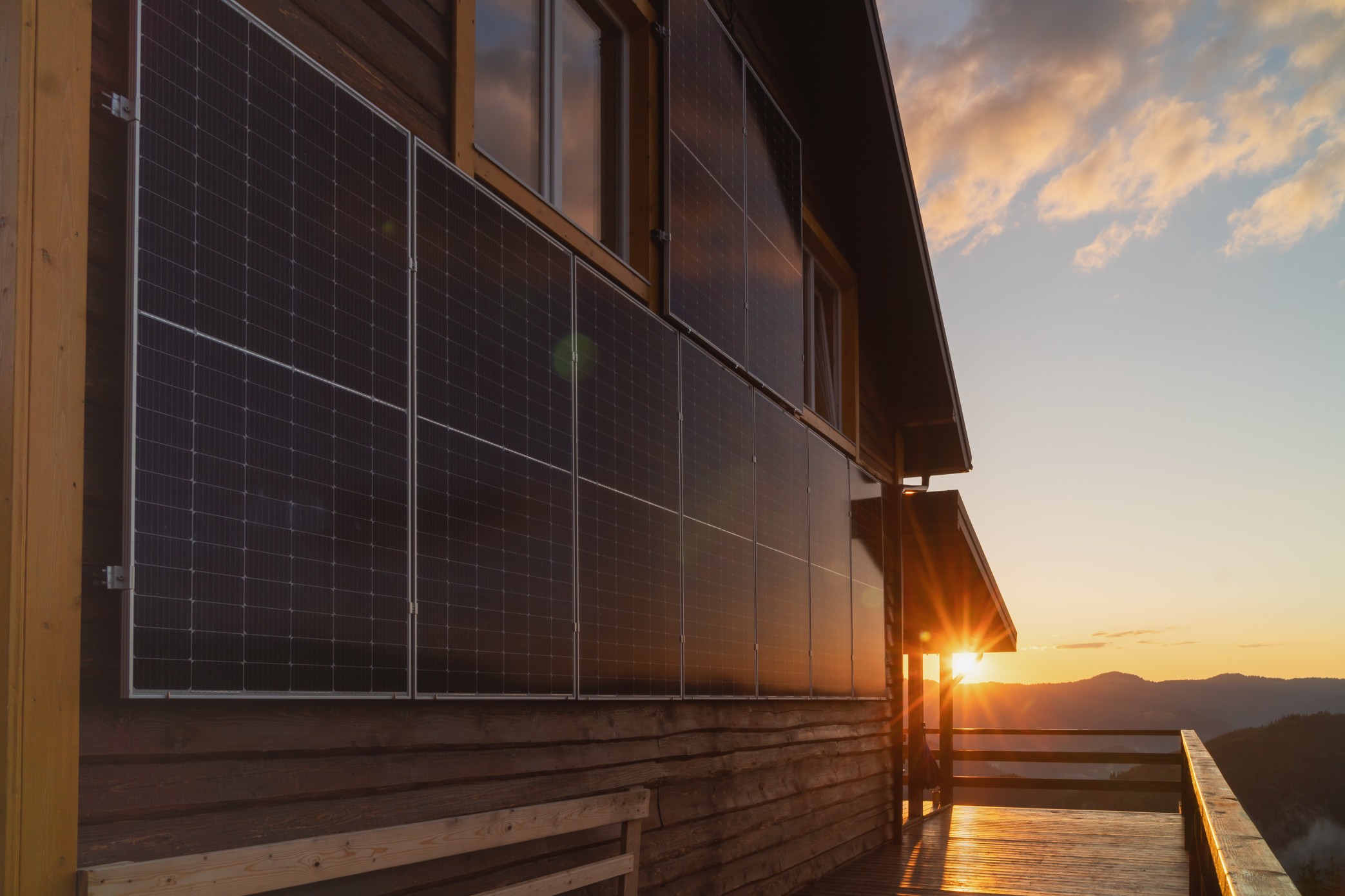
Recent reports claim the government is backpedalling on the Future Homes Standard (FHS) by not mandating domestic battery energy storage. However, this technology has never been proposed as part of the building standard.
Headlines have suggested a reversal in the government's approach to the FHS, with confirmation that battery energy storage will not be required under the new legislation. The government has never indicated that domestic battery storage would be included in the FHS.
According to a Guardian report published on 2 January, ministers have responded to pressure from housebuilders and are unlikely to require domestic battery storage as a standard feature alongside other renewable technologies. Housebuilders opposed the inclusion of batteries due to the additional upfront costs involved.
The government has pledged to drive a rooftop solar revolution and build 1.5 million new homes during its term. Until June, this commitment appeared to delay a firm decision on mandating solar in the FHS. Now, in what energy secretary Ed Miliband calls a “common sense” move, the FHS will explicitly promote solar in building regulations for the first time. While including battery storage would have been another significant step, it was never intended that the January legislation would require domestic battery installation in new homes.
Chris Hewett, CEO of Solar Energy UK, explained to Solar Power Portal that if the FHS were being developed today, it would likely mandate battery systems. He noted that the standard has been in development since 2019, when the battery market was less mature in terms of availability, cost, and capacity. Including battery technology at that time was not considered. Introducing it now would require further consultation and delay the implementation of the FHS, which already represents a major policy win by virtually requiring solar PV.
Despite developers’ reluctance, consumers with rooftop PV installations may be motivated by the additional savings offered by pairing solar panels with energy storage. Hewett highlighted that a home battery storage system, especially when combined with solar PV, allows generated power to be stored for use or sale when prices are highest. It also enables cheap overnight power imports, providing benefits even during winter months.
Data from the Microgeneration Certification Scheme (MCS) shows that in November, certified solar panel installations in 2025 surpassed 203,125, breaking the previous annual record set in 2011. By the end of September, certified battery storage installations had risen by 122% compared to the same period in 2024, reaching a total of 59,000 installations.



.svg)