
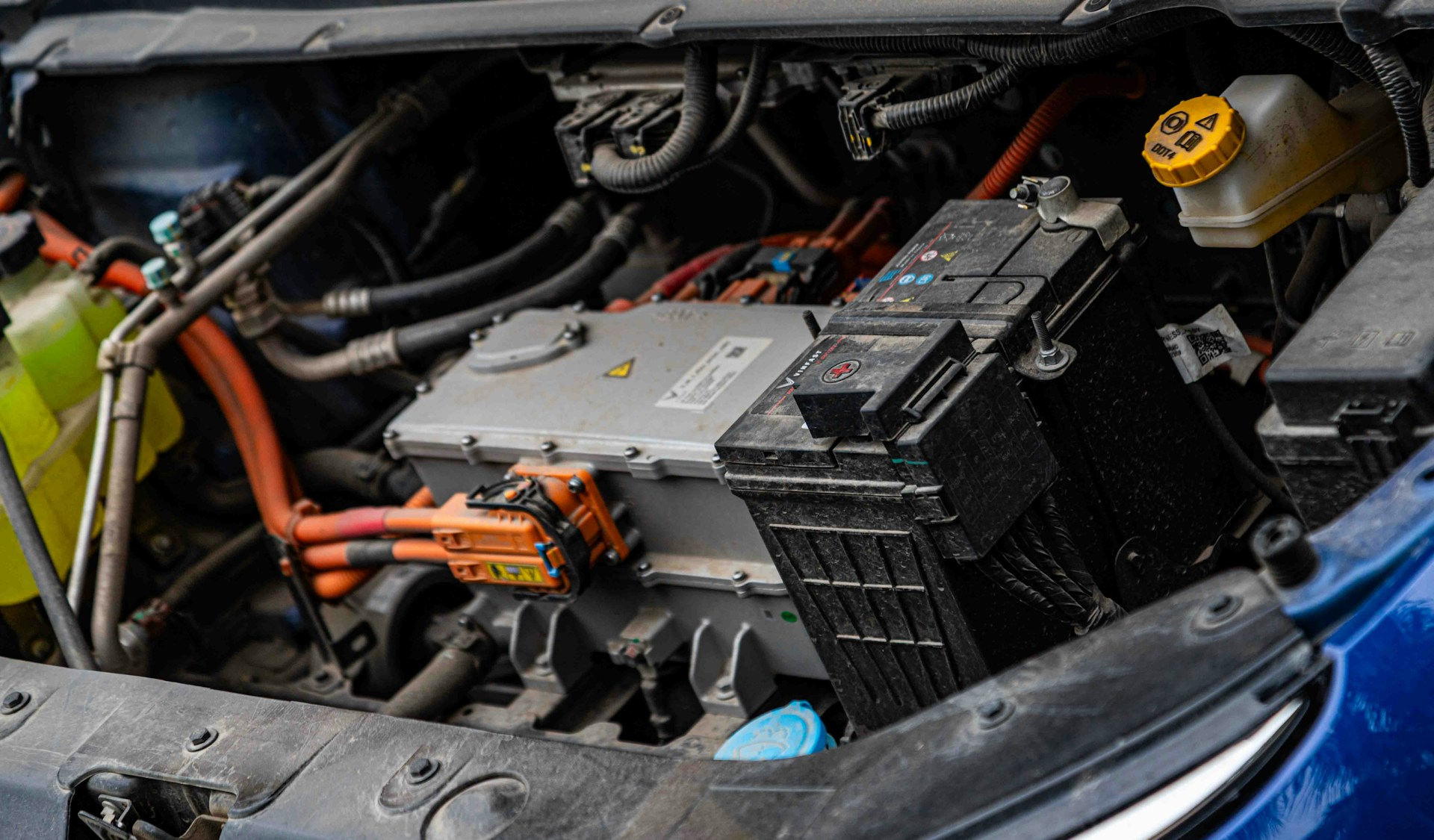
Most modern electric vehicles (EVs) are estimated to have a usable service life of up to 15 years or 180,000-200,000km, whichever comes first.
EV batteries, like those in smartphones, use various types of lithium-ion cells that degrade over time. Although EV battery packs are larger, their internal chemistry is similar to that of portable electronics. While EV batteries last longer than smartphone batteries, they still lose capacity as they age. An EV battery is typically considered at the end of its life when it reaches 70-80% of its original capacity, at which point it is replaced. In portable electronics, end of life is usually determined by convenience rather than a specific threshold.
Most EVs come with an 8-10-year battery warranty, even though the battery system can often last longer. Once an EV battery loses 20-30% of its usable capacity, it is usually recycled or repurposed for stationary storage. Each charge and discharge cycle causes minor degradation, which accumulates over time. For example, a car with an initial range of 500km will only travel 400km on a full charge once its battery drops to 80% capacity.
Thresholds for battery replacement exist because battery degradation follows an S-curve. There is a rapid initial decline, followed by a long period of slow, steady aging, and finally a sharp drop as the battery nears failure. Most batteries are replaced before catastrophic failure occurs, ensuring safety and reliability. The majority of EVs on the road today are in the steady, slow degradation phase.
The standard warranty for most EVs is eight years or 100,000 miles (160,000km). Manufacturers specify what percentage of the original battery capacity is covered under warranty. If capacity falls below this threshold within the warranty period, the battery can be replaced at no cost. Warranty terms and coverage percentages vary between automakers.
Real-world data from Geotab shows that the average annual degradation rate for light-duty EVs was 2.3% in 2020. By 2023, improvements in battery chemistry and thermal management reduced this to 1.8%. However, a 2025 study found the rate had returned to 2.3% per year across 22,700 EVs and 21 models. At this rate, the average battery retains 81.6% of its initial capacity after eight years. The higher degradation rate in newer EVs is attributed to more vehicles being in the rapid initial degradation phase and increased use of public rapid charging stations, which accelerate battery wear. Vehicles in the stable phase showed only a 1.4% annual decrease in capacity.
There are differences between lithium iron phosphate (LFP) and nickel manganese cobalt oxide (NMC) batteries. LFP batteries can be charged from 20% to 100% without harm, while NMC batteries should be charged to 80% for daily use to prolong life. LFP batteries also have a longer cycle life, typically 2,000-6,000 cycles compared to 1,000-2,500 cycles for NMC. Some reports suggest LFP batteries can last up to 10,000 cycles, making them better suited for frequent charging.
Several factors accelerate EV battery degradation, including extreme temperatures, poor charging habits, and inefficient battery management systems (BMS).
High temperatures from fast charging or hot climates increase chemical activity and stress within the battery, reducing its lifespan. Real-world data shows batteries degrade 0.4% faster in hot climates. NMC batteries are more susceptible to high-temperature degradation and thermal runaway than LFP batteries, which are more resistant. However, LFP batteries perform worse in cold climates, with performance dropping by 10-20% below 0°C and operating at only 60% capacity at -20°C. NMC batteries handle cold starts better and retain more power in low temperatures.
Charging habits also impact battery longevity. NMC batteries should be charged between 20% and 80% for daily use, with full charges reserved for long trips. Regularly charging to 100% increases degradation to 2% per year, compared to 1.4-1.5% when charged to 80%. LFP batteries are less affected by charging to 100%. Frequent use of DC rapid charging accelerates degradation, with vehicles using slower charging retaining about 88% of original capacity after eight years, compared to 76% for those using rapid charging. Rapid charging is the main stressor for EV batteries, especially for NMC types, which should not be rapidly charged below 0°C or above 45°C. LFP batteries are more tolerant but still benefit from slower AC charging.
The efficiency of the BMS plays a crucial role in reducing degradation. A well-designed BMS protects cells during stressful charging scenarios and maintains optimal temperature conditions. It also prevents the battery from reaching true 0% or 100% charge, even if the display indicates otherwise, to protect battery health.
Battery replacement cost is a significant consideration for EV owners planning to keep their vehicles for 10-20 years. Battery prices have dropped significantly, with an 8% decline in 2025 and over 90% reduction since 2010. The battery accounts for 30-50% of a car’s value. Full replacements are the most expensive but offer the most range, while aftermarket and refurbished batteries are cheaper but come with less range and shorter warranties. First-generation EVs are seeing the highest replacement rates as their batteries reach end-of-life thresholds.
Replacement costs vary by vehicle type. A new battery typically costs £8,000-£15,000 and comes with an eight-year/100,000-mile warranty. Hybrid car batteries, such as those in the Toyota Prius, cost £3,000-£5,000. Aftermarket replacements range from £3,000-£6,000 with 3-5 year warranties, while refurbished batteries cost £1,500-£3,000 with 12-24 month warranties. European city vehicles have new battery replacement costs of €8,000-€9,500, with refurbished options at €3,000-€6,200. Sedans like the Tesla Model 3 and BMW i4 have new battery costs of €12,000-€18,500, and SUVs range from €12,000-€19,000 for new batteries. Refurbished options are available at lower prices, making them suitable for owners planning to keep their vehicles for shorter periods after replacement.
To extend battery life and maximize efficiency, EV owners should follow best practices, including:
- Charging the battery between 20-80% for daily use and avoiding frequent drops below 50%. Regularly exceeding 20% and 80% state of charge accelerates degradation.
- Avoiding overcharging, as it causes chemical changes that reduce efficiency and cycle life.
- Minimizing driving and charging in extreme temperatures, as prolonged exposure reduces battery life and range.
- Using rapid DC charging only when necessary and relying on slower home AC charging for regular use. Prolonged use of rapid chargers, especially over 100 kW, is the biggest contributor to battery degradation.
- Avoiding leaving vehicles parked for long periods, especially with a state of charge above 80% or below 20%.



.svg)