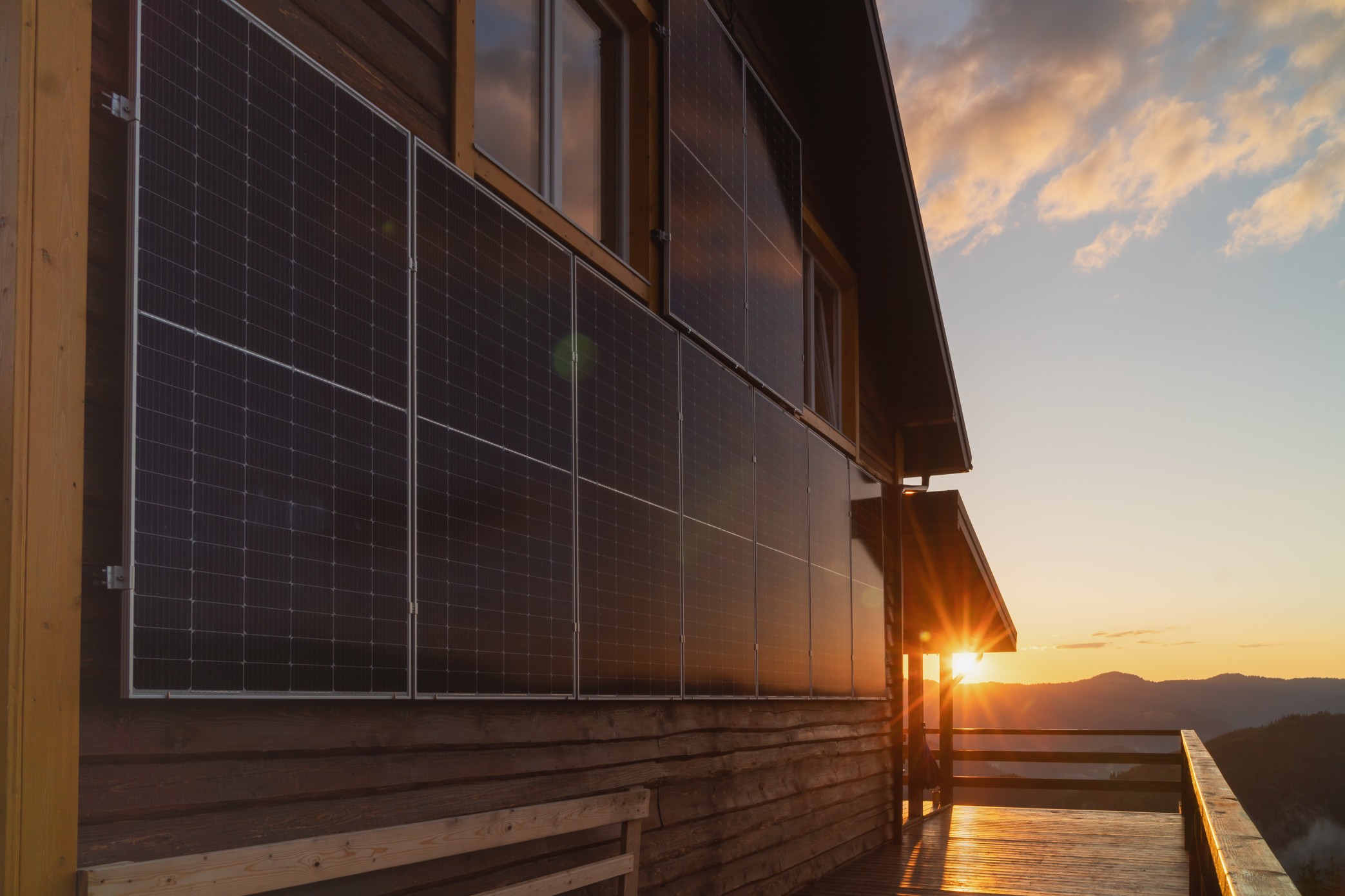
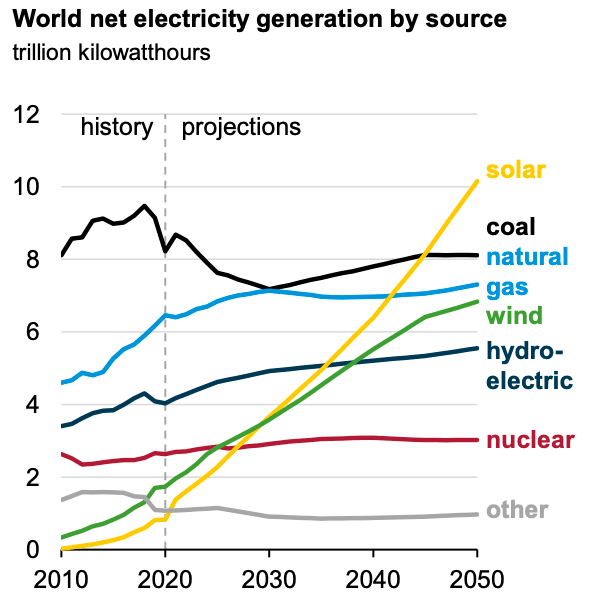
The Solar Energy Industries Association (SEIA) has expressed concern over the current administration's aggressive stance against renewable energy. In a recent blog post, SEIA argued that solar energy could surpass all other forms of electricity generation if all technologies competed on a level playing field.
For years, certain political groups have advocated for fair competition and claimed that government should not pick winners and losers in the marketplace. However, these claims often serve to secure advantages for themselves and their allies in the fossil fuel industry.
Evidence of this can be seen in the actions of Energy Secretary Chris Wright, who has pressured other countries to purchase more LNG and coal from the US, and Interior Secretary Doug Burgum, who has promoted fossil fuel exploration on public lands while creating obstacles for renewable energy projects on those same lands.
These officials show little interest in genuine competition. Their primary goal is to protect profits tied to subsidies, maintained through influence over legislatures supported by fossil fuel industry donations. This situation raises concerns about corruption.
SEIA emphasizes America's tradition of a free market system that fosters innovation and global leadership, from life-saving medicines to advanced technologies. The energy sector is no exception, with competition driving efficiency and cost reductions. The rapid growth of the solar industry has been fueled by significant cost declines since the early 2010s, making solar modules much more affordable.
However, SEIA warns that the foundations of free market and fair competition are now under threat. Despite public statements supporting clean energy competition, current energy policies favor fossil fuels. SEIA argues that this approach undermines America's legacy of fair competition.
Fossil fuels have long benefited from substantial state and federal subsidies. According to the Fossil Fuel Subsidy Tracker, these industries received over $16 billion in subsidies in 2023, while Oil Change International reports $30 billion in 2024. These subsidies, often hidden in the tax code, allow fossil fuel companies to deduct drilling costs, giving them an advantage over other taxpayers.
While Congress has reduced tax credits for clean energy, it has introduced new credits for metallurgical coal. Recently, Chris Wright announced $625 million in grants to keep aging coal-fired plants operating beyond their intended lifespan.
SEIA calls this "picking winners and losers." At a time of rising demand, SEIA argues that the market should determine how to meet that demand, favoring the most cost-effective and quickest-to-build energy sources. Solar energy is currently the most affordable new electricity generation option in the US, even without subsidies. It is fast to deploy, requires no fuel, and provides reliable, American-made power to millions.
SEIA believes solar is ready to compete independently. As federal incentives decrease, solar will remain the most cost-effective and rapid solution for America's growing energy needs. The industry has significant potential, but only if the free market, not politics, shapes the energy future.
A true competition without subsidies would challenge coal, oil, and methane producers, who would struggle to compete under such conditions. This highlights the advantage fossil fuels currently enjoy.
Australia offers a different perspective on solar energy. The country has introduced a plan to provide utility customers in New South Wales and South Australia with free solar power for up to three hours daily. This time-of-use load-shifting strategy benefits all customers, including those without solar panels, as long as they have a smart meter installed.
With over four million rooftop solar systems, Australia generates excess electricity during peak sunlight hours, sometimes resulting in negative prices. This initiative encourages consumers to use energy-intensive appliances or charge electric vehicles during these periods, easing grid strain. In 2022, Australia set a target of 82% renewable electricity by 2030 and aims for a 43% reduction in emissions from 2005 levels.
Those accustomed to privilege often go to great lengths to maintain it. The fossil fuel industry has relied on government subsidies for over 150 years. SEIA now calls for an end to these advantages, inviting a fair competition between solar energy and fossil fuels.


.svg)