South Korea’s Ministry of Climate, Energy and Environment (MCEE) has announced the KRW1,000 trillion (US$747 billion) Korean Green Transformation (K-GX) industrial strategy.
At a national briefing on 7 October at the Korean Chamber of Commerce and Industry in Seoul, key elements of the strategy were presented by Deputy Prime Minister Lee Hyung-Il and MCEE Minister Kim Sung-Hwan.
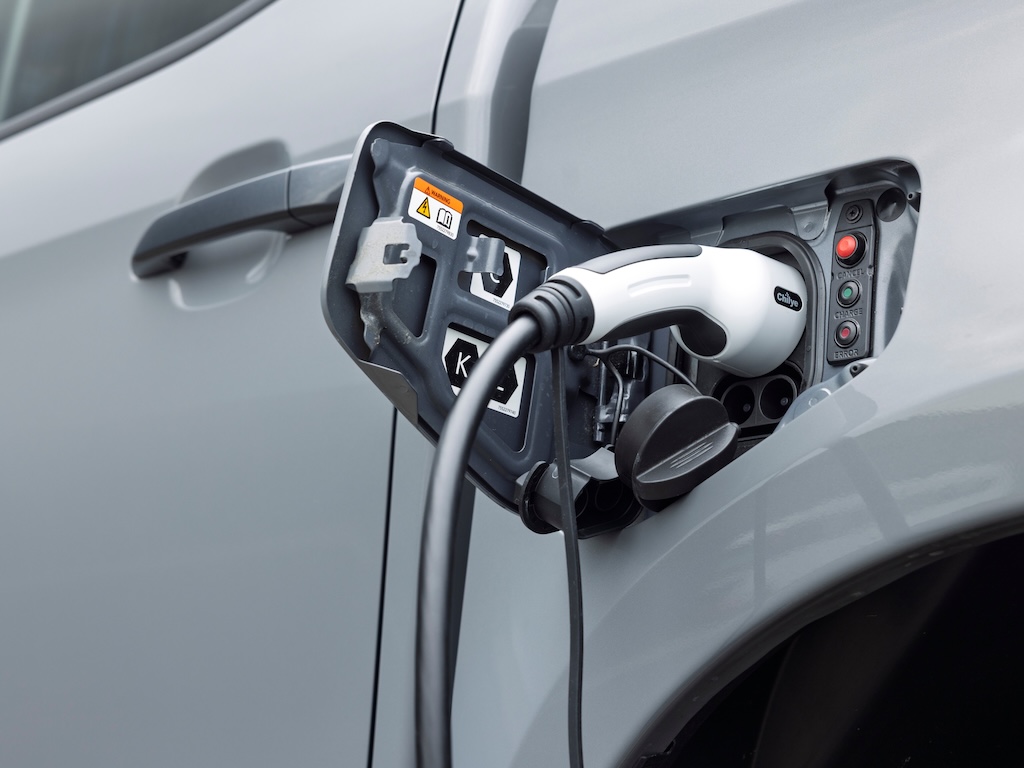
As part of the plan, South Korea will electrify all transportation. MCEE will introduce an eco-friendly fuel subsidy system and reform EV subsidies to reflect local renewable energy production. Public transport, including buses, will be electrified, with extensive electrification also planned for motorcycles, construction equipment, ports, and vessels.
By the end of June, the country’s registered EV fleet surpassed one million (1.095 million), according to the Ministry of Land, Infrastructure and Transport.
Regionally, initiatives such as Jeju’s 'Jeju-type Carbon Neutrality Model' aim to electrify all vehicles in the province by 2035, while showcasing decarbonisation through technologies like energy storage systems (ESS) and virtual power plants (VPPs).
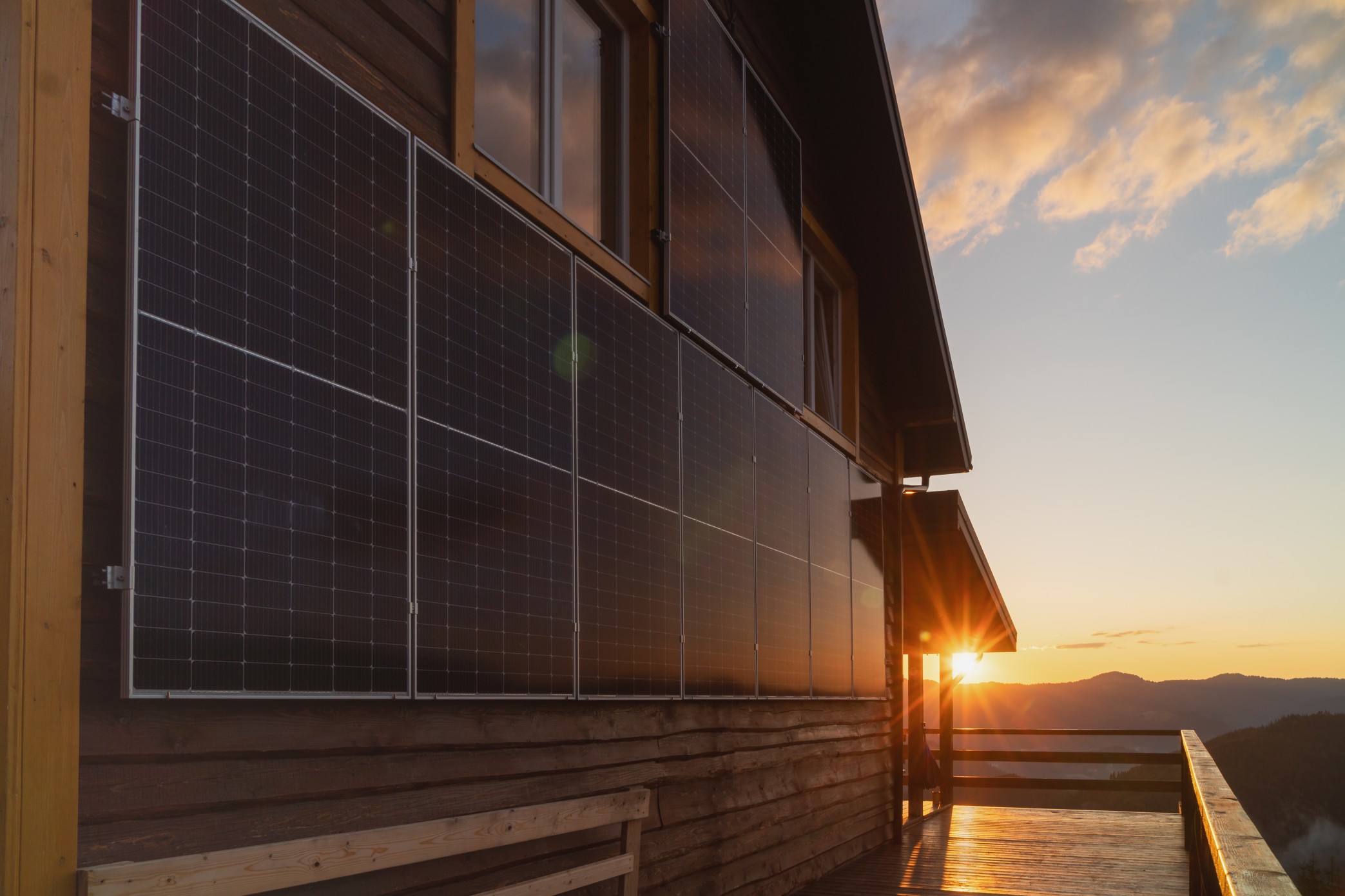
The K-GX strategy is designed to drive investment and competitiveness in manufacturing and supply chain development for low-carbon technologies. It also supports the government’s goal of reaching 100GW of renewable energy generation capacity by 2030.
The government has identified 10 green industries to strengthen domestic production and enhance national competitiveness. Presentations were given on each sector, followed by contributions from four major domestic companies involved in these fields.
Sectors include: electric vehicles, batteries, solar power, wind power, small modular reactors (SMR), power equipment, power semiconductors, heat pumps, hydrogen, and carbon capture utilisation and storage (CCUS).
The projects aim to boost self-reliance in clean energy supply chains, decarbonise national industries, electrify all transportation modes, and increase residential adoption of clean energy technologies.
Participating companies include Hanwha QCELLS (tandem perovskite solar cell technology), POSCO Holdings (steel industry decarbonisation), LG Electronics, and Samsung Electronics (expansion of the ‘GX’ strategy into the residential sector).
Public investment will be spread over 10 years, with private-sector investments totaling KRW220 trillion committed to key projects. Public funds comprise KRW200 trillion in fiscal resources and KRW790 trillion in climate finance, according to MCEE.
MCEE stated that “bold tax incentives and regulatory improvements will be implemented in parallel” during the early stages of the K-GX strategy.
Domestic production tax credits will be introduced for technologies such as solar PV, wind, and battery storage, supported by expanded climate finance. Special regulatory zones and fast-track licensing will be established for core GX technology companies.
These measures will support technologies to stabilise the EV supply chain, including drive motors without rare earth materials and the demonstration and commercialisation of next-generation batteries, such as all-solid-state batteries.