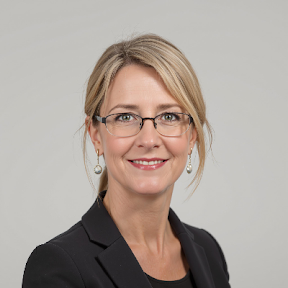

Miatta Fahnbulleh, who has served as UK Energy Secretary since July, addressed the industry at the annual Energy UK conference this week. While reaffirming the government’s commitment to clean power, she highlighted a shift in energy policy focus from the 2030 target to prioritizing affordability.
Fahnbulleh positioned the energy transition in terms of consumer costs, stating that the current system is “simply not working” for consumers and that the government is determined to change this. She emphasized that while the ambition for homegrown clean power remains important, the real value lies in the “confidence and momentum” it generates, not just in meeting targets.
She noted that the government will continue to support the momentum created by Clean Power 2030, but stressed that the public measures the success of the energy system by their bills and quality of life, not by gigawatts. Fahnbulleh clarified that her comments were not a criticism of the energy industry, but rather of the framework within which it operates, which she believes is not effective.
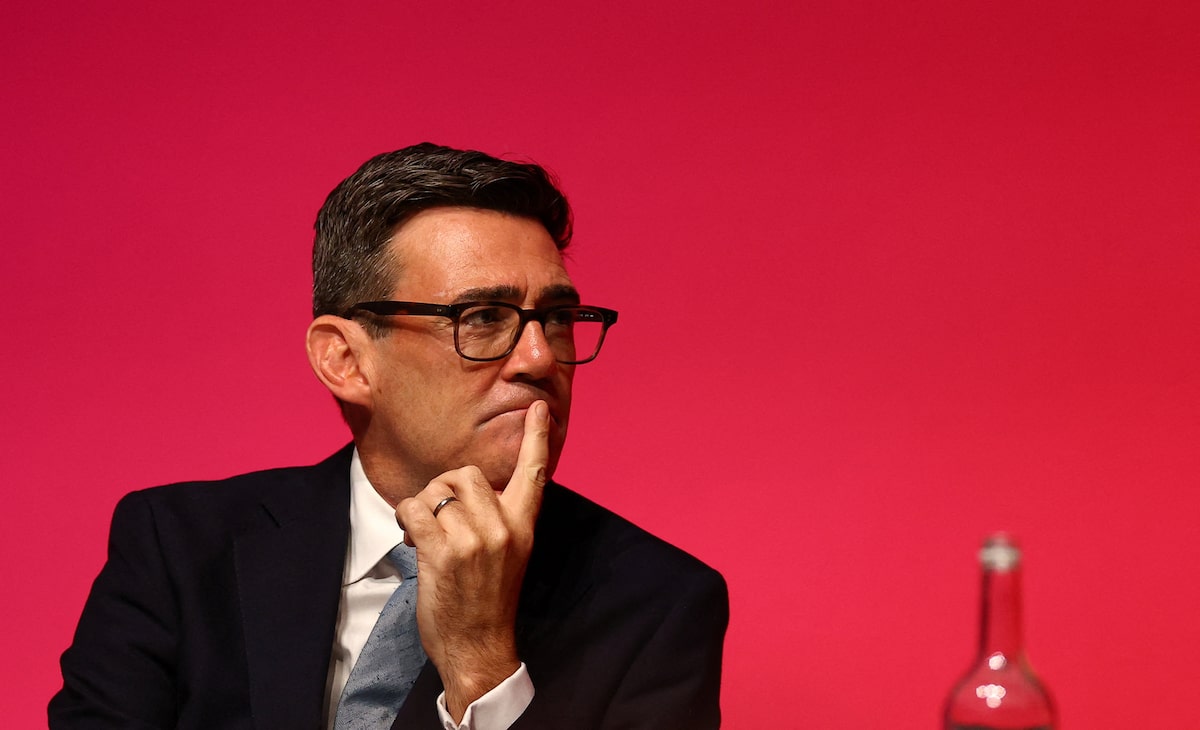
Labour’s energy policy now appears more closely aligned with the opposition. In October 2025, then-Energy Secretary Ed Miliband addressed the same conference, responding to Shadow Energy Secretary Claire Coutinho and largely reiterating established party positions. In contrast, Fahnbulleh’s speech revealed more of her intentions, and several of her points echoed those of Shadow Energy Secretary Andrew Bowie, who spoke before her.
Bowie began by affirming his party’s acceptance of climate science, but argued that the UK’s current approach to tackling climate change is failing the basic test of effectiveness. He claimed the UK is building the world’s most expensive energy system and criticized the proliferation of solar farms built with “slave labour in China.”
Bowie outlined the Conservatives’ approach as one based on common sense and pragmatism, rather than ideology or unattainable targets that could lower living standards. Although his speech was generally well received, the audience was silent when he criticized Miliband.
Bowie committed to supporting nuclear energy, promising to cut bureaucracy for new projects, and to maintaining oil and gas production, arguing that demand will persist for years. He clarified that his stance was not climate denial or a call for unchecked drilling, despite a recent Facebook post titled “Let’s Get Britain Drilling! It just makes sense!”
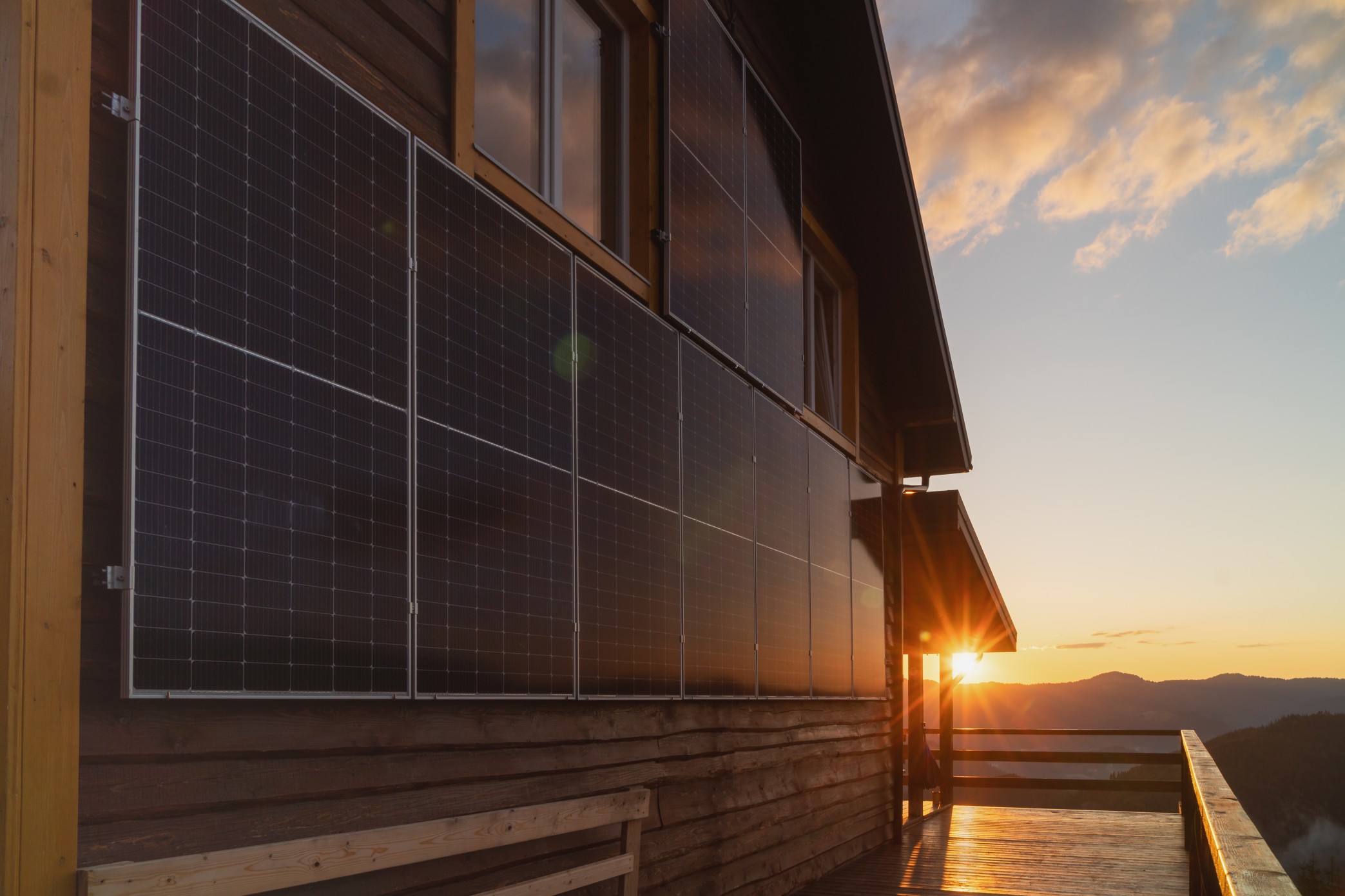
Fahnbulleh also acknowledged that oil and gas will remain part of the UK’s energy mix for decades, citing the Sizewell C nuclear plant as an example of practical public investment. Her only direct reference to other clean technologies was residential solar, mentioned in connection with the Warm Homes Plan. Although the plan has a £15 billion allocation, there are rumors of funding cuts to support defense spending ahead of the Autumn Budget.
She appeared to anticipate these concerns by highlighting the importance of devolution in delivering energy solutions “street by street, state by state, community by community.”
After her speech, Fahnbulleh answered questions, reiterating the importance of the Warm Homes Plan but not commenting on its funding, instead emphasizing regional delivery. She was also asked about decisions on the Jackdaw and Rosebank oil and gas fields.
The Jackdaw gas field, east of Aberdeen, is owned by Adura, a Shell and Equinor joint venture. Rosebank, northwest of Shetland, is considered the last untapped North Sea oil reserve and is owned by a joint venture between Equinor and Ithaca, backed by Israeli Delek Group. Both fields would also produce gas.
Although Labour pledged no new oil and gas licenses in the North Sea, Jackdaw and Rosebank occupy a grey area. Approved under the Conservatives, their approval was later deemed unlawful for not considering the climate impact of burning the extracted oil and gas. With this impact now considered, planning has been resubmitted.
Fahnbulleh’s decisions on these projects have been delayed. At the conference, she explained that the projects are in a “quasi-judicial” process with ongoing litigation, so she could not specify when decisions would be announced. However, she indicated that a decision on Jackdaw is “imminent,” while Rosebank will take longer.
Supporters of approval argue that these projects would provide a more domestic supply of fossil fuels, which both Bowie and Fahnbulleh agree will be needed for decades. However, oil and gas prices would still be set globally. Developers also claim that local production would have a lower environmental impact due to reduced transportation needs.